On this page
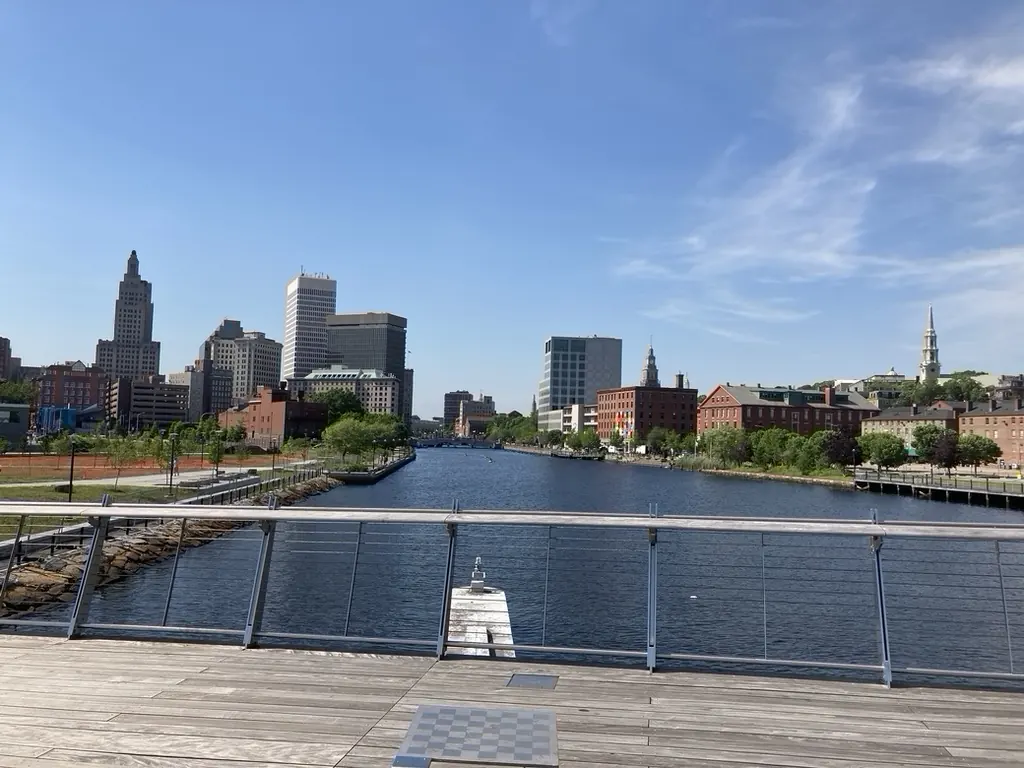

Providence Auto Insurance That Fits City Life
If you park on the street in Providence, you already know that insurance isn’t a one-size-fits-all decision. This guide was written specifically for Providence drivers – city households, college students, commuters, and occasional drivers – who need coverage that matches how life actually works in Rhode Island’s capital.
RhodeIslandAutoInsurance.com, operated by Drivers Insurance Agency, Inc., is an independent agency helping Rhode Island drivers compare liability, comprehensive, collision, and related coverages across multiple insurance companies. You can request a quote at the quote request page or call (844) 231-1313. A quote request prompts agency follow-up – it does not instantly bind coverage, guarantee acceptance, or promise savings.
This guide answers two questions most Providence residents ask first: What coverage do I realistically need? and How can I search for better local rates or coverage options based on where and how I drive?
Coverage Questions for Providence Households
For a Providence household, useful insurance questions can start with overnight street parking, an apartment move, a roommate who borrows the car, or combining transit with occasional driving. These details help an agent review the right policy and rating information.
Common pain points include:
-
Confusion about which address to use on your auto insurance policy when your garaging location changes.
-
Parked-car damage from hit-and-runs, weather, theft, or vandalism.
-
Figuring out whether roommates, partners, or family members need to be listed as household drivers.
-
Understanding whether a personal policy covers food delivery or rideshare driving.
RhodeIslandAutoInsurance.com helps drivers compare options tailored to Rhode Island law and Providence city life. The agency is independent – not a government program, not the Rhode Island Automobile Insurance Plan, and not affiliated with any single insurer.
Why Local-Fit Providence Auto Insurance Matters
Providence is a city of narrow one-way streets, winter ice storms, packed student neighborhoods, and vehicles parked bumper-to-bumper overnight. Rhode Island sets statewide legal minimums, but coverage needs and legal requirements can vary by state, and Providence residents face extra considerations because of where and how they park, commute, and share vehicles.
Core Benefits of Getting a Providence-Tailored Policy
A policy built around your actual Providence situation offers real protection:
-
Accurate garaging address — Tell the insurer where the vehicle is normally kept overnight and explain any school or split-household arrangement. Accurate information supports proper underwriting; it does not by itself guarantee coverage for every loss. Material misstatements can affect coverage or policy eligibility.
-
Protection for parked vehicles – Comprehensive coverage matters when your car sits on the street in neighborhoods like Elmhurst, Smith Hill, or College Hill, exposed to theft, vandalism, broken glass, and weather damage.
-
Coverage that fits your commute – There’s a meaningful difference between weekend-only driving, daily I-95 commuting, and using your car for app-based delivery. Each affects how insurers rate your risk and what exclusions may apply.
-
Clarity around roommates and households – All regular household drivers and regularly available vehicles must be disclosed. A roommate who borrows your car weekly is different from a friend who drives it once a year.
-
Realistic deductibles and add-ons – Choosing between a $500 and $1,000 deductible, or adding rental reimbursement, should reflect your budget and how much you depend on your vehicle day-to-day.
How This Guide Helps Providence Drivers
The sections below walk through legal minimums, coverage choices, address and household rules, college and apartment moves, what to do after a crash in Providence, and city-specific logistics like parking permits and VIN inspections – all grounded in Rhode Island regulations and verified Providence resources.
How Providence Auto Insurance Works in Practice
Getting and keeping proper coverage in Providence doesn’t require guesswork. Here’s the sequence from legal minimums to optional coverages.
Step 1: Know Rhode Island’s Legal Auto Insurance Minimums
Driving without insurance is illegal in Rhode Island. The state requires minimum liability coverage of 25/50/25: $25,000 bodily injury per person, $50,000 bodily injury per accident, and $25,000 property damage per accident. A combined single limit (CSL) of $75,000 is also available. Bodily injury liability covers injuries to others in accidents, and property damage coverage protects against damage to others’ property.
Insurers must offer uninsured motorist (UM) bodily injury coverage at the same limits as your bodily injury liability. You can elect lower UM limits, but not below the statutory minimum if your BI limits are above minimum. A full written UM rejection is available only when bodily injury liability is kept at the minimum. Rejecting UM should be a deliberate, informed decision – uninsured motorist coverage protects you against drivers without insurance, which remains a real risk on Providence streets.
For statewide detail, see our minimum car insurance guide, the Rhode Island motor vehicle insurance rules and the uninsured motorist coverage rules.
Step 2: Decide on Liability Limits That Fit Providence Risk
State minimum liability limits can be too low for a serious accident. Medical bills, damage to several vehicles, and other covered losses may exceed 25/50/25. If you cause a loss above your limits, you could face personal financial responsibility.
Higher liability limits such as 50/100/50 or 100/300/100 offer stronger liability protection. Higher limits are especially recommended if you have personal assets to protect. When you select higher BI limits, your insurer must offer UM at those same limits, giving you an opportunity to strengthen your protection against uninsured drivers as well.
Step 3: Understand Comprehensive vs. Collision for Providence Parking
Cars parked overnight on Atwells Avenue, Federal Hill, or College Hill face different risks than vehicles in a locked suburban garage.
-
Collision coverage can help repair or replace your vehicle after a covered collision with another vehicle or object, subject to the deductible, valuation and policy terms. A parked car damaged in a hit-and-run collision is an example to discuss with your insurer. Ask for a vehicle-specific quote using the deductible you are considering.
-
Comprehensive coverage can cover vehicle damage from theft, vandalism, fire, falling objects and other covered non-collision causes, subject to policy terms and deductibles. If someone breaks a window and steals a backpack, comprehensive may cover the vehicle damage; the backpack and its contents generally require separate personal-property coverage. It does not automatically pay for everything stolen from a car.
Lenders and leasing companies typically require both collision and comprehensive on a financed vehicle, but gap coverage is a separate product and not universally required.
Step 4: Think Through Deductibles and Rental Reimbursement
Your deductible is the amount you pay out of pocket before your insurer covers the rest. Higher deductibles can lower your insurance premium rate, but they also mean more upfront dollars you may need after a claim. Providence drivers who rely on their car for commuting may prefer lower deductibles to avoid a financial surprise.
Rental reimbursement coverage helps pay for a temporary vehicle while yours is in the shop after a covered loss. If your job, campus, or medical appointments aren’t walkable, rental reimbursement can be essential. Ask RhodeIslandAutoInsurance.com about realistic deductible and rental-car choices for your specific vehicle and budget.
What Makes RhodeIslandAutoInsurance.com Different for Providence Drivers
Explain your actual parking location, commute and household to the agency. The goal is to compare insurance companies using accurate information, equivalent limits and a deductible you could afford after a covered claim.
Local Focus on Providence and Nearby Cities
The agency focuses on Rhode Island drivers, including those in Providence and nearby municipalities such as Cranston, North Providence, Pawtucket, and East Providence. These are separate cities with their own addresses and parking situations – and moving between them affects your garaging address and premium factors. Visit our cities section for other local guides as they become available.
Clear Guidance on Households, Roommates, and Shared Cars
RhodeIslandAutoInsurance.com helps review who should be listed as a driver and which vehicles must be disclosed. Explain a roommate’s regular access, a partner’s living arrangement or a parent-owned vehicle kept at school. Eligible occasional borrowers may consider non-owner insurance, but household vehicles and vehicles available for regular use may be excluded. The owner’s policy and actual access arrangements must be reviewed.
Straightforward Communication and No Overpromises
The agency does not guarantee savings, instant coverage, or approvals. Coverage is effective only when confirmed by an insurer or authorized producer – a binder can sometimes be issued before a full policy is produced. You’ll get practical options in plain language, including how quotes can differ across insurance companies, not just a push toward the cheapest car insurance price.
Hypothetical Providence Coverage Examples
These hypothetical examples show how coverage decisions play out for Providence drivers. They are for education, not quotes or promises.
Example 1: College Student Parking Overnight on the East Side
A hypothetical student moves from a family home in Warwick to an off-campus Providence apartment near Brown. The vehicle is now kept in Providence most nights. The family should tell the insurer about the move and confirm the proper garaging address and whether the current policy remains suitable. Compare liability limits, comprehensive and collision deductibles, and any applicable student discounts. A higher deductible might lower the premium, but the student needs enough savings to pay it.
Example 2: Young Professional Commuting and Working From Home
A hypothetical Providence resident lives in a West End apartment and commutes downtown three days a week, with no delivery or rideshare work. Assume the sedan’s lender requires comprehensive and collision. The driver compares those deductibles and rental reimbursement because losing access to the vehicle would disrupt work. Rental coverage has daily and total limits and usually requires a covered loss. If the driver moves to Elmhurst or changes commuting days, the insurer should receive the updated address, mileage and use.
Who Needs What in Providence? (Students, Households, and City Workers)
Different Providence residents have different coverage priorities depending on life stage and driving habits.
College and Graduate Students in Providence
Students who bring a car to Providence should explain where it is actually kept during the school term. Families using a parent’s policy should confirm the insurer’s eligibility and garaging rules rather than assume a home address remains appropriate. Review coverage at renewal and after a move, vehicle change or change in household drivers. Comparing equivalent quotes may identify different prices, but savings are not guaranteed.
Families and Roommate Households in Triple-Deckers
Families and multi-adult households should tell the insurer about newly licensed drivers and other regular operators. Ask when a learner or new driver must be added under that policy. An accident or ticket may affect price or eligibility, but there is no single percentage increase that applies to every household. The difference between an occasional visitor borrowing a car and a roommate who regularly uses it matters.
Commuters vs. Delivery and Rideshare Drivers
Many personal policies restrict or exclude certain commercial uses, including food delivery or rideshare work. Drivers should disclose these activities when seeking coverage, because eligibility for a commercial endorsement or other coverage can depend on vehicle ownership and whether the car is used to transport goods. RhodeIslandAutoInsurance.com can explain what uses are acceptable under personal policies and when a different arrangement – sometimes a commercial endorsement or separate business insurance policy – may be needed.
Providence-Specific Coverage-Decision Table
This table helps you match your situation with useful coverage choices. No dollar premiums are shown – only coverage ideas and questions to bring to your agent.
|
Driver Situation |
Key Coverages to Consider |
Questions to Ask Your Agent |
|---|---|---|
|
Overnight street parker |
Comprehensive, collision, UM, realistic deductible |
“How does my parking location affect my premium? Should I carry a lower comprehensive deductible?” |
|
Financed or leased vehicle owner |
Collision, comprehensive (likely required by lender), rental reimbursement |
“What physical-damage coverage and deductible limits does my lender require? Would separate gap coverage be useful?” |
|
Frequent mover between apartments |
Liability at or above minimum, comprehensive |
“How quickly do I need to update my garaging address after moving? What happens if I don’t?” |
|
Non-owner driver (car-free resident) |
Non-owner liability, UM offers and elections |
“Does non-owner insurance cover me when I rent a car or borrow a friend’s vehicle?” |
|
Delivery or rideshare driver |
Higher liability limits, commercial endorsement or policy |
“Does my personal auto insurance policy cover delivery work? What disclosure is required?” |
|
Family with teenage drivers |
Higher liability, collision, comprehensive, UM/UIM |
“How should I structure coverage for a new teen driver? Are there telematics programs or available discounts?” |
Bundling auto insurance with homeowners or renters insurance can unlock multi-policy discounts – ask about bundling policies when you request a quote.
Providence Logistics: Address, Parking, VIN Checks, and Local Resources
Getting insurance right in Providence isn’t just about coverages – it’s also about logistics like where you park and how you handle paperwork.
Using the Correct Providence Garaging Address
Your garaging address is where your car is kept overnight most of the time. For many readers, that’s a Providence apartment or house. Using an old address in another city to save on cost is risky – if a claim occurs and your insurer discovers the mismatch, the claim could be denied. Update your address whenever you move to a new unit or neighborhood, especially if you change leases yearly.
Overnight Street Parking and City Permits
Providence operates an overnight street-parking permit program with eligibility rules for residents and students. Check the official program before relying on street parking at a new apartment: building eligibility, guest permits, vehicle requirements and current fees can affect your plans. A parking permit does not provide insurance or establish that a policy covers a loss.
Having to park on the street every night increases the importance of comprehensive coverage and realistic deductibles. Consult the current Providence Police overnight parking page for exact eligibility and fee details.
VIN Inspections and DMV Locations
The City of Providence no longer conducts VIN inspections and refers drivers to the Rhode Island DMV. The main DMV location is Cranston Headquarters at 600 New London Avenue, Cranston, available by reservation – note that this is outside Providence city limits.
Fire, EMS, and When to Call 911 After a Crash
In a serious crash, injury, or fire, Providence drivers should call 911 for immediate police, fire, or EMS response. The Providence Fire Department website is the official resource for fire and EMS information. Non-emergency questions about reports or records should go through regular police or DMV channels.
What To Do After a Car Accident in Providence
Prioritize safety and follow police instructions after a crash. Your insurer will review the facts, applicable law and policy terms when handling a claim; a police report is only part of that information.
Immediate Safety and Calling Authorities
Move to a safe spot if possible, turn on hazard lights, and check for injuries. Call 911 if there are injuries, possible impairment, or heavy damage blocking traffic. For minor accidents without injuries, you may still need to contact local police to document the incident.
Exchanging Information and Documenting the Scene
Exchange names, contact details, driver’s license numbers, plate numbers, and insurance information with all involved drivers. Take photos or video of vehicle damage, street signs, weather conditions, and skid marks if safe. Note the time, date, intersection or block, and any witnesses’ contact information.
Getting a Providence Police Crash Report
Use the Providence Police Department’s traffic-report instructions to contact Records or reach its linked online crash-report service. Check current access, identification, pickup and payment requirements there. Keep the report number and any report you obtain with your claim records; the report does not by itself decide insurance coverage or fault.
Contacting Your Insurance Agent After the Crash
Once immediate safety and reporting needs are handled, contact your insurer or agent to start the claims process. Call RhodeIslandAutoInsurance.com at (844) 231-1313 for help guiding policyholders through the claims process, reviewing coverage – collision, rental reimbursement, deductibles – and clarifying next steps. Claims handling and customer service are critical factors in any policy, and being prepared with photos, police report numbers, and contact information helps move things along, while prompt follow-up can help resolve issues faster.
Providence Auto Insurance FAQs
These FAQs answer the most common city-specific questions from Providence drivers.
Do I have to change my insurance address if I move to a new Providence apartment?
Yes. Update your garaging address whenever your overnight parking location changes for more than a short-term period. Failing to update can create serious issues if you file a claim.
I’m a student with a car at school in Providence, but it’s insured at my parents’ address. Is that okay?
Insurers generally expect the car to be rated where it is primarily garaged, which may be Providence if you live here most of the year. Families should discuss the real garaging situation with an agent at RhodeIslandAutoInsurance.com.
Is “full coverage” enough for a street-parked car in Providence?
“Full coverage” isn’t a formal policy type – people usually mean liability plus comprehensive and collision. Check your specific limits, deductibles, UM coverage, and extras like rental reimbursement to see if they match the real needs of a street-parked vehicle. Medical payments coverage helps cover medical expenses after accidents and is worth reviewing as well.
Does my personal policy cover food delivery or rideshare driving in Providence?
Many personal policies restrict or exclude certain commercial uses. Disclose these activities and ask the agency what coverage options exist – don’t assume you’re covered.
Can I get insurance if I’ve had tickets or an accident in Providence?
RhodeIslandAutoInsurance.com works with both good drivers and drivers with tickets, accidents, or a lapse in coverage. Past issues can affect availability and price, but the agency helps explore available options. Drivers should compare multiple insurance companies for the same coverage to find better rates.
How do I get a Providence auto insurance quote from RhodeIslandAutoInsurance.com?
Visit the quote request page or call (844) 231-1313. The request leads to agency follow-up and does not bind coverage. Confirm the insurer, selected coverages and effective date before relying on a new policy. Our Rhode Island quote-comparison guide explains how to compare matching terms.
Get Started on Providence Auto Insurance Today
This guide has walked through Rhode Island’s legal minimums, practical coverage decisions, city logistics, and post-accident steps – all specific to how Providence drivers actually live and park.
Gather your basic information – driver’s licenses, vehicle VINs, current address, and current policy if you have one – and request a quote or call (844) 231-1313. Whether you’re shopping for affordable car insurance as a student, searching for stronger liability protection for your family and helping protect your loved ones, or sorting out coverage for a financed vehicle you park on the street, the goal is a practical, Providence-ready policy that fits how and where you truly drive.